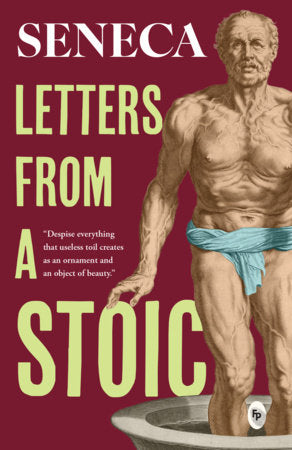
Letters from a Stoic Paperback by Seneca
Letters from a Stoic Paperback by Seneca
Product Details
- Publisher: Fingerprint (2022-09-01)
- Language: English
- Paperback: 280 pages
- ISBN-13: 9789354405662
- Item Weight: 181.44 grams
- Dimensions: 19.68 x 13.03 x 1.75 cm
Dive into the timeless reflections of Seneca, a Roman philosopher and statesman whose correspondence transcends centuries. Letters from a Stoic offers practical insights into resilience, ethical living, inner peace, and the pursuit of virtue amidst chaos. These deeply personal letters blend philosophical depth with real-world relevance, making Stoicism approachable and impactful for modern readers.
Wisdom for life, from one of history’s greatest minds.
Explore- The Stoic principles of self-discipline, virtue, and tranquility.
- Personal reflections on grief, anger, wealth, friendship, and mortality.
- A manual for navigating life’s hardships with calm and clarity.
- Thoughtful guidance for cultivating a rational and purposeful life.
- The harmony between inner freedom and moral responsibility.
- Seneca’s eloquent prose that comforts, provokes, and inspires.
- Seekers of mental clarity, emotional resilience, and philosophical insight.
- Fans of Marcus Aurelius, Epictetus, and other Stoic thinkers.
- Readers navigating stress, burnout, or existential questioning.
About the Author
Considered to be the greatest Roman philosopher in history, Lucius Annaeus Seneca was born in Cordoba (Spain) in c.4 BC. The writings of Seneca were revived in the Renaissance. His dramas, all of which were tragedies, inspired the writers of that period and helped formulate the genre of the ‘revenge tragedy’. The chronology of Seneca’s works has been a matter of debate since very little information on his life is available. His earliest work is believed to be Consolation to Marcia. Around 43 or 44 AD he wrote Consolation to Helvia and Consolation to Polybius, when he had been exiled and was living at Corsica. Upon his return to Rome, he composed Letters from a Stoic, and Natural Questions was written in the last few years of his life. Among the ten plays that he wrote, all of which were widely read during the Renaissance, Thyestes is considered his best. Medea and Oedipus were very popular as well.Seneca was charged with an attempt to assassinate Emperor Nero. He was, most likely, innocent. But he had been marked a traitor and was consequently told to commit suicide. True to his writings that claimed that death was inevitable and need not be feared, Seneca did as he was commanded and committed suicide.
Share